Blog

  • Your Favorite TV Ad

    Your Favorite TV Ad

    Honda Pilot
    The car in question.

    I like group a capella singing. I love group a capella sound effects.

    My favorite radio commercials of all time are a series for Trop ArcticTM All Season Motor Oil produced in the late 70s.  A group of exceptional jingle singers imitated the sound of a railroad crossing, complete with warning bells, locomotive sounds, and a perfect doppler effect as the train roared by.

    That was radio in 1979.  In 2011 there is an equally well done television ad.  Its running right now.

    Have you seen this ad?

    An SUV drives down the highway. Three boys in the back seat. Three girls in the middle seat. A pair of adults (Dad and Mom?) in the front. The blonde boy in the middle of the back seat starts making mouth noises.

    “Bum bum.”   (high) “Bum bum.”   (low) “Bum bum.”   (back to normal) “Bum bum.”

    As he repeats, the leftmost girl in the middle seat opens up with “ah-ee ah-ee ah-ee ah-ee.”

    The kid directly behind her holds up his soft drink cup, empty of soda, and rattles the ice.  Cut to Dad simulating downward a bass glissando.

    Bam! The eight people in the car are now each performing their respective parts of a song intro which is becoming very familiar. Kids are fingering their shoulder belts as if they’re playing guitars, and as the camera pulls back to show a full view of the automobile, the passengers all burst into the classic Ozzy Osborne, “Goin’ off the rails on a crazy train.”

    Have you seen this ad? If not, I’m sure you will. The ad is scheduled to run during “Dancing With the Stars,” “Big Bang Theory,” and“The Biggest Loser.”

    Shall we make some predictions?

    People all over America will claim this is their favorite ad. The RPA agency of Santa Monica will win awards. And sales of Ozzy’s catalog will spike before Christmas.

    This ad won’t sell cars

    Here. I’ll prove it. Show of hands – who knows the ad of which I’m speaking? Oh, a bunch of you. Let’s see… one, two, three… twenty-seven, twenty-eight, two hundred nineteen, a few more…

    Now, keep your hand up if you can name the car.

    Oh. My. Nobody?  Nobody remembers the car being advertised?

    And that’s the issue, isn’t it.

    In my favorite radio ads the singers pause the sound effects several times to sing out boldly, “Trop ArcticTM, All Season Motor Oil. Long live your caaaarrrrr.

    Thirty years later I still remember those Trop ArcticTM ads.

    But vast numbers of viewers who will claim this new TV ad is their favorite, won’t know who to thank for the entertainment. An automobile manufacturer who probably spent half a million dollars to produce this ad, and several million more for TV airtime, will not receive the highest and best use of his advertising dollars.

    Because we don’t remember the name of the automobile. We remember “Crazy Train.”

    This is a catchy, very well produced, and very bad ad. Please don’t create ads like this if you’re fishing for customers.

    Your Guide,
    Chuck McKay

    PS. Oh, you really can’t remember the make and model of the car in the ad, and it’s driving you crazy? Here’s thirty seconds of some pretty well done TV.

    Marketing consultant Chuck McKayYour Fishing for Customers guide, Chuck McKay, gets people to buy more of what you sell.

    Got questions about creating ads which help customers to remember your name? Call Chuck at 760-813-5474. Or “E” him at ChuckMcKay@FishingforCustomers.com.

  • Focus on Customer Value to Survive the Coming Shake Out

    Focus on Customer Value to Survive the Coming Shake Out

    Out of Business Sign
    Out of Business sign

    There’s a shake out coming.

    Historians will call this a period of consolidation, in which businesses are eliminated, or acquired through competition.  They will have had the benefit of time.

    You and I will remember this as a time of small businesses going out of business.

    If your company presently competes with 9 others, and there’s only enough business for six, three will close their doors, or sell out to a competitor.

    Of the six remaining, two will barely keep the doors open, three will settle into a comfortable status quo, and one will thrive.

    That one will understand how to deliver customer value.

    Customers who grew up in times of plenty, loose credit, and purchases on a whim have mentally shifted to a time of considered purchases. They seem to be asking “Do we need it? What must we give up to get it? How good will it be?”

    Changing consumer attitudes

    Sales are off.  However, goods and services are still being purchased.  Automobiles break down regardless of the economy. Kids still outgrow shoes. Appliances still need repair.

    But now every purchase gets considerably more deliberation.

    This does not mean you need the lowest price. I promise, price is one of the less important factors in a buying decision.

    Hundai Accent
    Hundai Accent

    Need proof? The Hyundai Accent, at $10,705, has the lowest MSRP in the country.  Do you drive one?  You don’t?  Humm.  There must be reasons other than price on which you based your purchase.

    In fact, a 2010 J.D. Power study indicated that only 38 percent of buyers chose their car due to price, while 52 percent said their choice was due to the way they were treated on the lot.

    And those 38 percent who focused on price?  You can understand why they said it was important.  When a shopper can’t see any difference between our offerings and those of our competitors it only makes sense to buy the less expensive of apparent equals.  Plus, out of all the factors which influence her decision, price is the easiest to understand.

    But don’t believe she’s looking for cheap.  She’s not.  She’s looking for value. Simply stated, value is what the customer gets for what she pays.

    Let’s illustrate with a couple of examples from the Great Depression.

    Blue Plate Special

    Blue Plate Special
    Blue Plate Special

    Running a neighborhood diner is an exercise in timing. Run out of banana cream pie before people stop asking for it, and you lose sales.  Prepare too many, and they spoil.  Few things are as depressing to an owner as calculating lost profitability awhile watching six slices go bad. During the depression, before refrigeration became cheap, the “use by” dates were much more critical.

    And cooking up all of those things which might spoil if we don’t use them will only create more servings of foot to join those unsold pie slices. Unless…  Unless…

    Unless we can increase demand for that particular dish.

    Here’s an idea: let’s offer a good sized portion of wholesome food at a reduced price.  Customers won’t cares that the offer is for our own benefit. Most won’t care what we select for the entree, as long as its a genuine value to folks aware of every penny they’re spending.

    The blue plate special was a strong value-based strategy which worked well 80 years ago. Could it work again today? I suspect, yes.

    The Two Pants Suit

    Men's Suit
    Men’s Suit

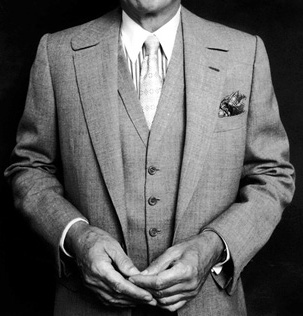
    This one is pure genius. A jacket and trousers (and sometimes vest) don’t make a suit of clothes. Making them all from the same fabric does. Wearing mismatched fabrics only draws attention to the fact that the wearer doesn’t have a suit.

    The useful lifetime of a suit of clothes is usually limited by the trousers. They wear out, or are otherwise damaged, far before the jacket shows normal signs of wear.

    The solution? Make a second pair of pants from the same fabric, and double the useful life of the garment investment.

    Will people pay more for that extra fabric and tailoring? Yes. Yes, they will. Ask them to pay 20 to 30 percent more for twice the usage, and see how quickly they line up to buy.

    And that’s why we stress value, rather than price.  Sometimes to be considered value, one does reduce price. Other times real value requires paying more.

    Shoppers want:

    1. More

    2. Higher Quality

    3. For a Longer Time

    4. A Reduced Price

    Pick one. Better yet, pick two. Survive the shake out by making your choices those which your competitors do not, can not, or will not offer.

    Price always comes last. Location, brand familiarity, and business reputation can all be more important than minor price differences – an in a competitive selling situation, those differences will tend to be minor.

    And a bit of imagination can certainly help to showcase what’s important to a shopper.

    Five Guys Bounteous French fries

    Five Guys Fries
    Five Guys Fries

    Is there a more competitive niche of the restaurant business than burgers and fries? And yet, one of the hottest players in this industry is Five Guys, who’s French fry servings are legendary.

    They put your fries in a large styrofoam cup, filled to overflowing. The cup goes in a paper bag, and they pour in more fries, until the already generous serving size has more than doubled.

    It’s value.  Is it inexpensive? No, the average ticket for a burger, fries, and beverage at Five Guys is about $11 – roughly double that of McDonalds. Customers not only pay it, they brag about the place to their friends.

    KFC’s Containers

    KFC Reusable Containers
    KFC Reusable Containers

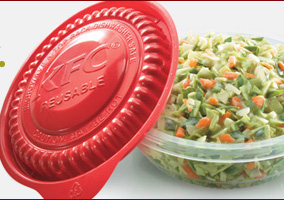
    While other fast food restaurants package their meals in disposable paper or styrofoam containers, Kentucky Fried Chicken is now sending side dishes home in Tupperware® or Gladware® styled re-usable containers.

    Serve from them. Re-seal leftovers in them. Wash them. Use them for other leftover items.

    They probably cost KFC a few pennies more. The company gets points for customer value, and bonus points for being environmentally conscious.

    Gallery Furniture
    Gallery Furniture

    Gallery Furniture Delivers

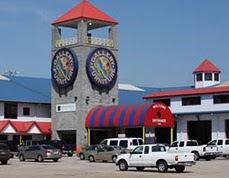
    If a customer lives within 100 miles of Houston’s Gallery Furniture, they can expect same day delivery and set up by store employees.

    Buy it today, have it in your home tonight.

    They even call 30 minutes ahead to let you know when they’ll arrive.

    Sometimes value has nothing to do with price.

    Rexel Electric Becomes Destination

    Rexel store
    Rexel store

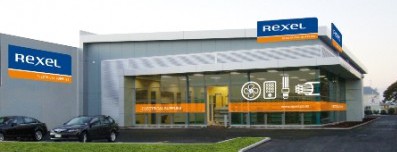
    When my friend and colleague Mike Dandridge took over the Rexel electrical wholesale store in Midland, Texas, he installed a Senseo® Coffee Brewer and a cross section of gourmet coffees. Dandridge baked chocolate chip cookies throughout the day in a convection oven.

    He piped comedy albums into the background music system, installed plantscapes throughout the store and Christmas lights around the counter. Dandridge placed Mr. Potato Head and Etch A Sketch, along with other toys at the counter.

    And, of course, he focused on excellent customer service.  Over the next three years Rexel sales more than quadrupled.

    Did Rexel try to undercut Lowes or Home Depot on the price of electrical supplies?  No.  They understood the value in the shopping experience.

    Exceptional value, as perceived by shoppers, is rare, which is what makes these such great examples.

    We assume the differences in our offerings are significant to our shoppers. We assume the “value added” we stack on top of our products and services are appreciated by shoppers. All too often, we’re wrong. What happens when the “extras” we draw their attention to aren’t even on their radar?

    If they want bells, don’t give them whistles

    Value is the price she expects, compared to the price she pays. Stack on more and more things she doesn’t care about and wouldn’t pay for, and instead of adding value, we merely clutter the dialog with irrelevancies.  We risk becoming irrelevant if we don’t understand to what our shopper pays attention.

    Do we know what she values? How sure are we that we know?

    survey clipboard
    Survey

    I’d suggest we ask.

    List the attributes you suspect are important, and ask your customer to rank them from most to least important.   She can’t rank those attributes equally, and you can put  this information to immediate use.

    Ask her about delivery and set up, documentation, portion size. Ask about entertainment, speed of service, problem resolution, free refills, courtesy of staff. Maybe even ask about price.

    But limit the choices to five or six in order to get her to complete the survey. How many customers need to complete it to be useful?  It doesn’t take that many, actually. We only need a basic understanding, not statistical predictability.

    25 to 40 completed surveys will provide a solid insight into what shoppers consider important. Knowing which bait works best is important when you’re fishing for customers.

    Your Guide,

    Chuck McKay

    Marketing consultant Chuck McKayYour Fishing for Customers guide, Chuck McKay, gets people to buy more of what you sell.

    Got questions about articulating your value, and making sure your customers appreciate it? Drop Chuck a note at ChuckMcKay@ChuckMcKayOnLine.com. Or call him at 304-523-0163.


  • Is a Radio Remote Broadcast a Good Investment?

    Is a Radio Remote Broadcast a Good Investment?

    Originally published October 4, 2009
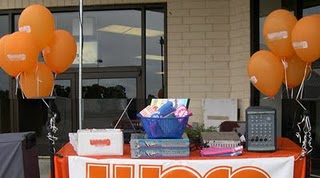
    One of the advantages electronic news has over print is the capability to deliver information in real time “live from the scene.” As you might imagine it didn’t take long for this proficiency to migrate from the news department to the sales department, giving birth to the radio “remote broadcast.”

    Remotes are traditionally expensive. But as advertising sales remain weak in this economy, advertisers are being offered discounted rates on almost all advertising, including remote broadcasts. And that prompts a critical question: is a radio remote a good investment of advertising dollars? Like everything else in business, the correct answer is “possibly.” The problem is there are at least four different people involved in the decisions effecting such a broadcast. Most of the time each has a different objective. Those four people are:

    1. the Manager/Owner of the business,
    2. the Radio Sales Person,
    3. the Radio Program Director, and
    4. the Disc Jockey.

    What do each of these people want?

    The Manager/Owner wants buyers.

    His objective is to sell merchandise in such quantity that he can pay for the advertising and still show additional profit for his efforts.

    He believes his store offers value. He believes when large numbers of people hear about his offers, they’ll flock to the store to buy. This is usually expressed as “you get people in the door, and we’ll sell ’em.

    The Radio Sales Person translates this instruction.

    Get them in the door” becomes, in her mind, “your job is to attract a crowd.”

    She will arrange all of the crowd drawing techniques at her disposal. These will include a clearly identified station vehicle in front of the store as an attention-getting device. It will be augmented with banners and sound system.

    She’ll provide tee shirts emblazoned with the station logo and other station paraphernalia to give away to listeners who come to the event.

    She’ll try to arrange to have clowns, balloons, and face-painting to attract kids, free food to attract their parents, and the ever-popular “register to win” entry box. (The prize will, of course, be provided by the customer).

    The Radio Program Director will coordinate.

    After determining there are no conflicts on the proposed broadcast date, the Program Director will assign a Disc Jockey as “talent.”

    The Program Director’s job is to keep listenership high. She hates remotes, considering them to be interruptions to the programming (music), and potentially harmful to ratings. The Program Director will thus limit the number of reports from the scene, limit the length of each report, and do her best to disguise the reports by running instrumental music under the Disc Jockey’s voice.

    The Disc Jockey will be expected to attract a crowd.

    Feeling pressure from the Manager/Owner and Radio Salesperson, the Disc Jockey will attempt to bribe listeners. He’ll repeatedly emphasize “C’mon down. We’re having a great time,” and will list all of the free items they could win just for showing up.

    A few listeners will be impressed by being close to a celebrity. He’ll be tempted to talk to those people who come to him, rather than introducing himself to other potential customers. Part of this, believe it or not, is shyness.

    The results are entirely too predictable.

    In order they will be:

    1. Reacting to the offers made during the broadcast, people will come to the event for the free food, the clowns, the balloons. They will register for the prizes. They will then leave without buying anything.
    2. Frustrated by the lack of sales, the Manager/Owner will accuse the Radio Sales Person of bringing the wrong people to his event.
    3. The Sales Person will explain to the Manager/Owner the benefits of branding and name recognition. She’ll explain the positive effects of today’s high-profile advertising might not be immediate, but will definitely impact future sales.Back in the privacy of the radio station she will find fault with the Disc Jockey who spent too much time socializing with fans and not enough persuading them to buy.
    4. Of the four people involved, the Disc Jockey will take the majority of the heat when the outcome is disappointing. He’s not a seller. He’s an entertainer. And even though he feared it might end this way when he agreed to accept the talent fee, he will bitterly resent being held accountable for lack of sales, which he believes are beyond his control.
    5. Oddly, the Program Director has the best grasp of the situation. After listening to the Sales Person’s criticism, will resolve to discourage future remotes as too much hassle. “Next time sell ’em a schedule of ads” will be her recommendation.By doing her best to hide the event from her own listeners, she’s created a self-fulfilling prediction of failure.

    Unfortunately, the Disc Jockey did attract the wrong people. When listeners hear words like “fun” and “free” instead of compelling reasons to purchase right now, they react accordingly.

    Equally unfortunate is the Sales Person’s claim that future sales will benefit from today’s advertising of an event. Although branding and image building ads do take a while to affect customers, and do frequently work better over time, event advertising is quickly forgotten.

    No immediate sales. No future sales. Conclusion? Most remote broadcasts are a waste of money.

    Which is why, in general, I don’t recommend them.

    However. . .

    When done correctly they are powerful marketing tools that provide opportunity for greater sales. And at some of the prices we’re now seeing, this may be an excellent time to consider adding one, or more, to your marketing plan.

    In our example the four people involved had mutually contradictory objectives. To have a successful event all four must embrace the same purpose: greater sales during the event. That goal must guide every decision effecting the broadcast.

    Here’s how to assure higher remote broadcast ROI.

    Mr. Manager/Owner,

    … take a step back. Recognize that you are more excited about the things you sell than the public will ever be. Expect them to be less excited about your remote broadcast, too.

    Think of it this way: a remote broadcast is not an event. Much like a newscast, it is only coverage of an something newsworthy which is already happening. People want to know the news.

    A strong concept works well if promoted in the newspaper, on television, or through direct mail. It doesn’t require creativity of the medium to make up for lack of customer interest. If your event that exciting, continue planning the remote. If not, abandon the idea. There’s no sin in passing up an inexpensive opportunity which won’t benefit your company.

    OK. You have a strong concept. Good. Don’t use the station as your only source of publicity. We’re not trying to prove this station can draw a crowd. We’re focused on attracting as many buyers as possible. Buy a newspaper ad or two. Keep those ads customer focused.

    The headline should address the primary benefit you’re offering. The body copy should say the things your best salespeople say to customers on your sales floor. Put your logo, as well as that of the station, at the bottom of the ad. If your headline catches people’s attention, and your body copy offers strong reasons to buy, only then will they care who’s making the offer.

    Miss Radio Sales Person,

    … give your client’s business the benefit of your experience. “Great savings throughout the store” is much too generic and won’t persuade anyone. Make sure all of the parties agree on a message which is both specific and highly beneficial.

    Is the proposed remote broadcast the best use of your client’s money? As you know, grocery stores make dozens of offers in a “double truck” two-page newspaper layout. They focus so many reasons to buy into a single space every week because it works. If you believe you could create more sales impact with an intense, highly-focused schedule of recorded ads packed into a single time period, do that instead of the remote. The cost to the advertiser is the same either way. Give him the choice with less risk.

    Miss Program Director,

    … stop compromising. Either refuse to interrupt your music with talk, or commit to making the talk segments so compelling that your music listeners don’t want to be left out.

    Would you refuse to interview the top artists in your format? Of course not. Listeners don’t resent talk. They resent people blathering on about topics that don’t interest them. You, Miss Program Director are uniquely qualified to find the exciting appeals that your listeners will want to learn more about.

    Your presentation skills can turn this potentially dull and boring jabber into the most exciting information available on the day of the broadcast. Hype won’t work. You’ve got to dig for genuine value, and then make sure it’s presented in a way that helps your listeners imagine themselves owning what the advertiser sells.

    Schedule three reports per hour during the broadcast. Have the Disc Jockey announce his location during the FCC required legal ID. Require your studio talent to plug the event during each music segment. That works out to acknowledging the remote seven times per hour. Just as you wouldn’t allow your station to go a quarter hour without reminding listeners to whom they’re listening, this proposed broadcast will also need that frequency of repetition.

    Give your Disc Jockey the latitude to react with his own personality from the scene, but make sure each key point is included in each remote break by scripting a standard beginning and ending.

    Here’s the part you’re going to hate: kill the music bed during reports from the scene. We want people to take note that something unusual is going on. Play a quick attention-getting intro (think fanfare) as he’s introduced, and then, other than the Disc Jockey’s voice, let the natural ambiance of the event be the only sound.

    Can you commit to promoting this event for maximum advertiser impact? If not, do both the client and your listeners a favor and offer to help create a persuasive advertising campaign for him instead.

    Mr. Disc Jockey,

    … your role needs to change. You’re no longer being asked to host this broadcast because you’re popular and have fans who are likely to come see you. You’re being asked to use all of the presentation skills you’ve acquired in your career to introduce your listeners to the advertiser’s business.

    Why would you do that? Because they will benefit from the resulting relationship. Believe it, or recommend another talent. Use that conviction every time you open the microphone.

    Get rid of every cliché in your vocabulary – especially those things which you’ve grown used to saying on similar occasions. Repeating the same old verbiage will only produce the same old results.

    Watch for customers leaving the store. People who’ve purchased something are sold on the value of their purchase. If they’re reasonably articulate, invite them to briefly answer a couple of questions during your next break. Tell them what you’ll be asking, and help them to quickly express their reasons for buying. These people have exceptional credibility with other folks listening to your broadcast.

    And don’t worry about what the station provides for you to give away. We’re now looking for different responses from different people than you’ve invited to past events. Truthfully, you’ll make more money persuading people to visit the store who don’t care so much about meeting you as they are interested in the client’s offer.

    By the way, shaking hands with everyone in the crowd and personally welcoming them builds listener loyalty in a way nothing else can.

    Finally, Mr. Manager/Owner . . .

    The question was, are remote broadcasts good investments? Normally, no. But with the prices now being offered, maybe.

    If you decide to try it, don’t choose a station as your promotional partner because of ratings, or even because of price. Instead, choose a partner committed to getting qualified buyers to your event. You’ll know whether you have the right radio station early in the planning process.

    Get the station’s Sales Person, Program Director, and Disc Jockey into a planning meeting. Bluntly ask if the station will commit to the three breaks per hour, plus the legal ID, plus three more mentions by the on-air host. Ask if the station will eliminate any music during reports from the scene. Ask if they are willing to make your broadcast the single most important event on the air.

    If they are not willing, call a meeting with a different radio station. If they are, commit your resources and schedule the event.

    And remember that media partners who put your needs first have earned a significant part of your non-event advertising budget, too. A willing partner can multiply your impact when you’re fishing for customers.

    Your Guide,
    Chuck McKay

    Marketing consultant Chuck McKayYour Fishing for Customers guide, Chuck McKay, gets people to buy more of what you sell.

    Got questions about remote broadcasts or other event marketing? Drop Chuck a note at ChuckMcKay@ChuckMcKayOnLine.com. Or call him at 304-523-0163.

  • You Can’t Win Customers With a Boring Newsletter

    You Can’t Win Customers With a Boring Newsletter

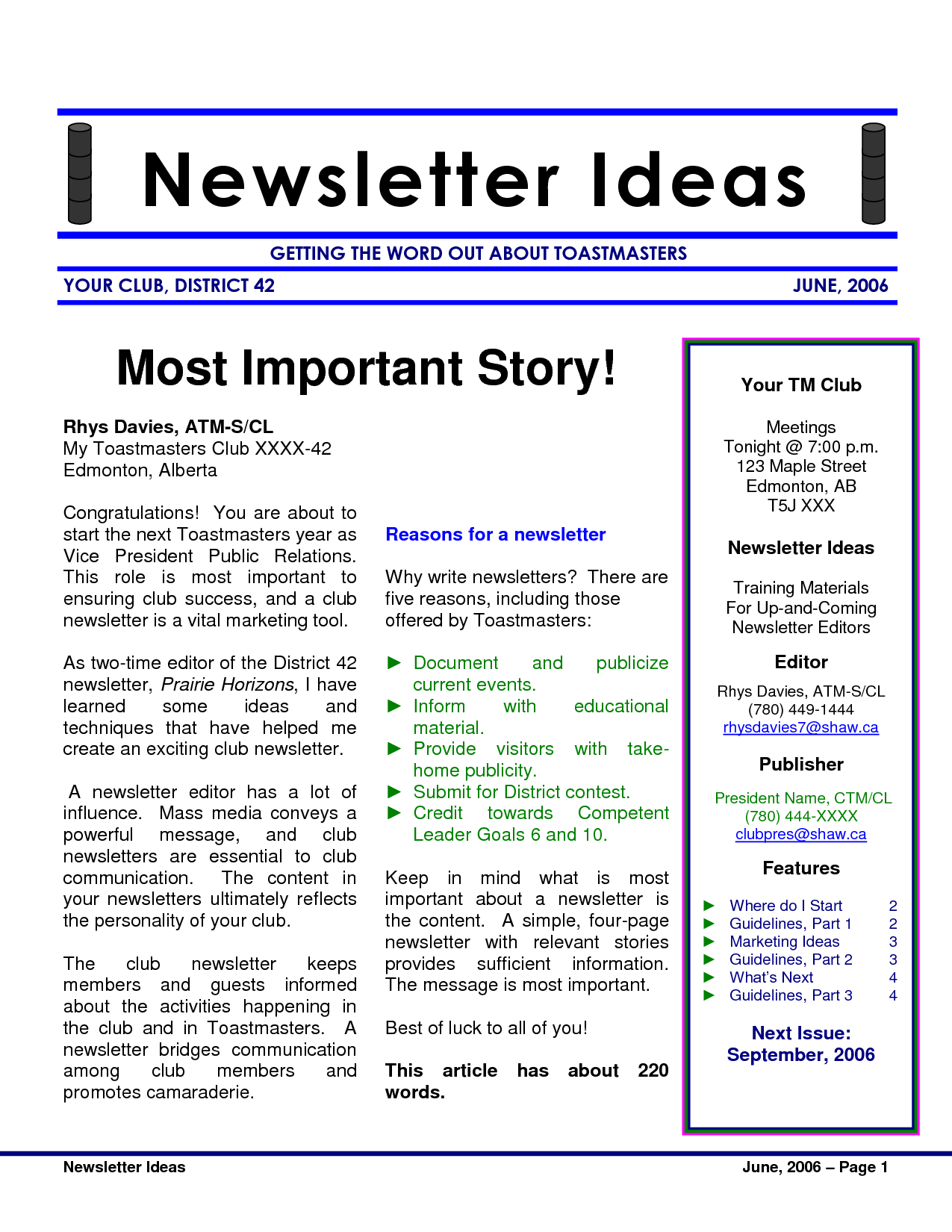
    Newsletter image
    Newsletter Example

    Typically, people involved in business, especially in competitive industries, think what they do is fascinating. To people outside the industry, they aren’t.

    So, when you fill your customer newsletter with riveting content which involves your new line of adhesive tape which is now 13/100 of an inch wider, or that your bookkeeper has a new grandchild, you’re signaling to potential customers that you don’t care about them. I assure you, they will return the attitude.

    If your newsletter is considered marketing for your company, then let’s look at how to make it more effective.


    How to Write a Winning Client Newsletter

    The Customer Must Always be Your Focus
    My clients don’t care about my internal operation. Your clients don’t either. But they always care about themselves and things which affect their lives.

    Write About Things People Will Actually Use to Improve Their Lives
    Interestingly, your topics don’t have to be related to your business. Send information about inexpensive insulating tips, chili recipes, or even houseplants that thrive in your climate. Conduct contests. Give small prizes away “just because.” Project friendly and fun.

    That doesn’t mean don’t write about what you do, just recognize that there’s a limit to the number of times you can show how to save money with your product. (That limit is once, provided it was interesting the first time. If not, the limit is zero.)

    Publish Consistently
    How often do you want your customers to think about you? Monthly is good. So is bi-monthly or quarterly. Don’t stretch it out to more than three months at a time, though, or people will forget and your latest mailing will be just another piece of “junk mail.” Pick a schedule, and then stick to it.

    If you tell people to expect your newsletter every month, skipping a month makes you appear to be less reliable. Keep your promises, even the little ones.

    Market With Your Newsletter
    Publicly thank your customers for specific referrals. Print your more compelling testimonials. And always have a compelling offer in every issue. Done correctly this isn’t just a “feel good” piece you’re putting out… it’s also a low pressure sales tool.

    Newsletters Work Best Long Term

    Customer relations is a process. It will take several issues for customers to just get in the habit of reading your newsletter.

    It will take longer for it to prompt referrals or sales.

    But when you present your company with professionalism, do so reliably, and talk today about what people are talking about today, you’ll find customers look forward to receiving anything you send them.

    And that’s the bait your competitors simply can’t buy when you’re fishing for customers.

    Your Guide,
    Chuck McKay

    Marketing consultant Chuck McKayYour Fishing for Customers guide, Chuck McKay, gets people to buy more of what you sell.

    Got questions about getting your company’s news out? Drop Chuck a note at ChuckMcKay@FishingforCustomers.com. Or call him at 760-813-5474.

  • Five Advertising Lessons From The Personals

    Five Advertising Lessons From The Personals

    Originally published June 17, 2005

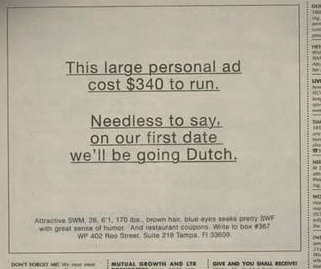
    Classified Ad
    Personals Ad

    Is any advertising more closely monitored by the advertiser than a “personals” ad? I don’t believe so. If ever an advertiser wanted results, and wanted them now, this is it.

    Personals ads demonstrate some of the best, and the worst, techniques in advertising. Let’s look at these examples and see what we can apply to advertising in general.

    1. Stop trying to reach everyone

    Personals ads immediately need to focus on prospects, and eliminate non-prospects.

    All too often, business advertisers try to make their ads appeal to “everyone.” If you’re a single woman posting in the personals, though, you don’t want responses from everyone. Other women are probably of no interest to you. You likely don’t want to hear from married men, either. If your objective is dating, it’s pointless to attempt to reach people that aren’t potential dates.

    Trying to reach everyone is a fool’s strategy in business, too. You probably don’t have any interest in people who can’t afford what you have to sell. You also aren’t likely to want to reach the idly curious. As a business your objective is to reach people who could become good customers.

    Make your ads speak directly to those people.

    2. Your Headline Is Critical

    Get your prospect’s attention. Get it immediately. If you don’t get your prospect’s attention, will he even notice the rest of your ad?

    “Relationship wanted” will never get as much attention as “North Texas filly looking for stable mate.”

    Draw the business parallel. Your retail ad shouldn’t say “We want your business.” Instead, it should say
    “Everything you need to make your garden grow is waiting for you at Mineral Wells Hardware.”

    3. Make me want to learn more

    The objective of personals advertising is to find someone to date. The objective of mass media advertising is to find new customers for your business. In neither case will you benefit from skimping on the descriptions.

    “Single woman desires long term relationship.” is less likely to get the attention of gentlemen reading the ads than is “Witty, flirtatious, and outgoing. I smile easily and enjoy laughing, am open-minded, honest, and like to talk about ideas. I would like to get to know a man who is confident of who he is and what he wants out of life. I’m single, have never been married, but like the idea of finding my soul mate.”

    By the same token, “Bedding plants in stock” is weak when compared to “Brighten your yard with salvia, iceplant, petunias, and pansies. Color your flower beds with all the hues of spring, ready to take home today from the Nolan River Nursery.”

    4. Tell potential customers what you give them that your competitors can’t

    Nobody spends advertising dollars in hopes of being ignored, and yet every day business owners manage to fade into obscurity by making their ads sound exactly like other ads.

    Consider an all-too-typical personals listing: “I love sunsets, long romantic walks by the ocean, and candlelight dinners.”

    No kidding? Is there a woman alive who doesn’t like sunsets, long romantic walks by the ocean and candlelight dinners? This will not make anyone stand out as worthy of attention.

    By the same token, does there exist any business that doesn’t offer helpful, courteous service and years of experience? Helpful courteous service doesn’t make you special. It’s the minimum entry-level behavior that customers expect.

    Statements like “helpful, courteous service” make your ads fade into background as noise. Your store ad could just as well say that you “love sunsets and long romantic walks.

    When your ads sound like everyone else’s, you’re not likely to be noticed, let alone be remembered.

    5. Tell me what’s in it for me

    If you met a stranger who opened the conversation with “I want to tell you all about myself,” how much interest would you have in talking to that stranger?

    Here’s the personals ad which takes that posture: “I’m looking for a long term relationship. Honest men only. I’m tired of fakes and game players. And if you are looking for someone to hang on your every word, keep on looking. No mama’s boys need apply.”

    Think she gets many replies?

    No, I don’t suppose so. The business equivalent is: “We need to sell one hundred cars to meet our sales goals, so we’re going to be making the best deals we can remember. Limited to items in stock. Limit one per household. Not valid with other offers. You must take delivery from dealer stock before close of business Friday.”

    “We, us, our.” “We” again. Aren’t we something? Just ask us. Bleh.

    Stop talking about you, and what you want from me. Start telling me why I should want to do business with you.

    Here’s a better example from the personals: “Would you like to spend some time with someone who’s optimistic and fun to be around? I hope you’re comfortable in jeans, you know what you want, and aren’t afraid to show it. You’ll find me open-minded, non-judgmental, and loyal.”

    Much more effective, isn’t it?

    In the business community you’ll get substantially better results when you drop the “we / us / our” verbiage, and replace it with “you.” “Have you ever noticed that you walk a little bit taller and you even feel better, when you know you look good? We promise that you’ll turn heads when you’ve had your hair cut at the Singing Scissors Salon.”

    Use these five rules as a starting point. Study the personals, and take note of those that get your attention. The basic principles will make good business ads, too.

    Whether their purpose is personal or business, good ads don’t scream for attention, they seduce – a crucial skill when you’re fishing for customers.

    Your Guide,
    Chuck McKay

    Marketing consultant Chuck McKayYour Fishing for Customers guide, Chuck McKay, gets people to buy more of what you sell.

    Got questions about writing secucing headlines and emotional appeals? Call Chuck at 304-523-0163, or write ChuckMcKay@ChuckMcKayOnLine.com.

  • Buddy, You Don’t Offer Enough Value

    Buddy, You Don’t Offer Enough Value

    Value Added
    Value Added

    Are you familiar with the term, “velocity of money?” You’ve maybe heard it said that a dollar changes hands roughly seven times before it parks in a savings account or a long-term investment. Velocity is the relative speed at which the changing happens.

    A dollar that enters the community in January and circulates through six other hands by April is evidence of a very different economy than one which enters in January and finally parks in August.

    Right now, money is changing hands at the slowest rate in decades.

    Unemployment is high, but employment is still much higher. For every person without a job in this country, seven are still working, still wearing out clothing or streetwear for men you can buy online, putting miles on cars, buying groceries, paying rent, and tithing to their churches. They’re still spending, but at a greatly reduced velocity.

    The people who are spending are carefully considering each purchase. They’re not buying cheap. They’re buying value. Cheap is price compared to other similar offerings. Value is actual price compared to expected price.

    Value, over and above.

    I’ve recently had conversations with three independent practitioners in the financial industry. One is a stockbroker, one a fund manager, and one a financial analyst. They each asked the same question: “How can I meet more high income investors?” The stockbroker summarized his goal as: “I can’t make any money dealing with the people in this community. I want to find clients so wealthy that I can back my pickup up to their door and shovel the money directly into the truck bed.

    There’s a major flaw in his thinking. High net worth investors already have a broker, or a fund manager, or a financial analyst. The professionals they choose to work with were carefully vetted before the relationship got underway. And, should they ever become disillusioned with their current advisors, they will look for someone who offers a greater value than the current advisor does.

    What value does our stockbroker friend offer investors?

    Pretend you are a high net worth investor, and you have a $2 million portfolio. Will you trust your money to an advisor who’s clients are primarily in the $250,000 range? Or will you want to be the smallest account managed by an advisor who’s average client has a $200 million portfolio?

    There’s an implied competence in someone with whom much bigger investors have already trusted their money. As the new guy on the block, if you’re not already working with those clients, you’re going to have to offer something other advisors don’t.

    Can you be the only advisor who meets with his clients quarterly, or semi-annually to re-evaluate their immediate and longer term goals? In a rapidly changing economic landscape, frequent attention may be of value.

    Can you be the advisor who out performs the market by three or four points? Can you do it consistently? Can you offer proof of that?

    Can you specialize in super-serving a niche market? Self-employed professionals? Single women? Law enforcement employees? What does your understanding of their specific circumstances ad to your value?

    Value – the operative word for the decade.

    Are you in retail? Do people come to you to shop? What do your customers get that no other retailer offers them? Do they recognize that value? Could you articulate it in two or three sentences?

    Are you a service professional, selling your plumbing, painting, or air conditioning expertise? Why would a customer find your service more valuable than other service professionals? Can you explain that in a typical elevator speech?

    Do you operate your own professional practice? What can your architectural clients, your dental patients, your legal clients expect you to provide that other professionals don’t offer? Do they already understand your value? How do you know?

    What value do you offer?

    Its a critical question for the next decade. People are still spending. They’re not looking for cheap. They’re looking for value. Without it, you’d best hunker down and hope you can keep enough cash coming in to keep the doors open. If you have real value, but need help explaining and projecting that value to the marketplace, my direct number is 304-523-0163.

    The ability to state it simply, and to communicate that value to your potential customers is critical in this decade as you fish for customers.

    Your Guide,
    Chuck McKay

    Marketing consultant Chuck McKayYour Fishing for Customers guide, Chuck McKay, gets people to buy more of what you sell.

    Got questions about articulating your value, and making sure people know it? Drop Chuck a note at ChuckMcKay@ChuckMcKayOnLine.com. Or call him at 304-523-0163.
  • Budgeting For Word Of Mouth

    Budgeting For Word Of Mouth

    Airplane atop gas station.
    WWII Vintage Airplane Sits on Gas Station

    You’ve just spent the day, a long day, at a Disney theme park. You’re beyond tired when you finally make it back to your car to find you’ve locked the keys inside. Can you imagine a more frustrating feeling? Now imagine the arrival of Disney’s locksmith.

    He reads your VIN, punches the numbers into a computer in the van, which bounces the lock information off satellite, and cuts a replacement key. You unlock the door, and with a fair amount of relief, you ask him what you owe for his service. He tells you that you owe nothing. He hopes you enjoyed your day at the park.

    What will you be doing when you get home? And for years afterward?

    Yeah. You’ll be providing excellent word of mouth for Disney Corporation.

    Positive Word-of-Mouth

    Positive word of mouth is triggered when your customer experiences something way beyond his expectations.

    It isn’t enough to be good.

    It isn’t enough to be very good.

    To be noticed, and to be so unusual that people want to talk about it, you have to be so far above the norm for your industry that your competitors would never even think about doing what you’re doing.

    Roy Williams has said that physical, non-verbal statements are the surest way of triggering positive word of mouth. These statements can be generated from one of three possible sources: architectural, kinetic, or generous.

    • I vividly remember a gas station that had a WWII fighter on the roof. When Dad was pumping gas we could climb up a ladder and sit in the cockpit. Architectural word of mouth at work.
    • The restaurateur in Mississippi who made the 6 o’clock news by throwing dinner rolls at his patrons from across the restaurant understands kinetic word of mouth.
    • The Orlando car dealer who’s “Good Samaritan Van” provides a can of gas, water, help changing a tire, or jump starting your car, and then tells you there’s no charge has generous word of mouth down pat.

    Can you plan one of these strategies for your business?

    Absolutely.

    Should you advertise it?

    Absolutely not.

    Worth Repeating?

    Remember, you must exceed expectations to make your customer’s experience memorable, and worth repeating.

    If you advertise your new architectural, or kinetic, or generous word of mouth trigger, you’ve just raised your customer’s expectations.

    Oops.

    Budget for your next word of mouth trigger, then hush up about it, and allow your customers to deliver the good news.  Sometimes it’s best to sit quietly and wait for them to be drawn to you when you’re fishing for customers.

    Your Guide,
    Chuck McKay

    Marketing consultant Chuck McKayYour Fishing for Customers guide, Chuck McKay, gets people to buy more of what you sell.

    Got questions about helping people to talk about your business?  Drop Chuck a note at ChuckMcKay@ChuckMcKayOnLine.com. Or call him at 304-523-0163.
    _________________________

    Mike Dandridge’s book The One Year Business Turn Around is all about generating positive word of mouth. Mike details fifty-two tested techniques that helped him build an electrical supply company to more than a million dollars a month in sales, in a town of 50,000 people, even though he was challenged by Home Depot on the left and Lowe’s on the right.

  • Why I Don’t Care For Co-Op Advertising

    Why I Don’t Care For Co-Op Advertising

    Fishing 101
    Fishing 101

    Sounds like such a great idea, doesn’t it? You’re a retailer – say a hardware store owner. Your store carries Ajax Widgets. You want to advertise in your local market to get customers into your store, but the cost is high. Ajax wants people to buy Ajax brand widgets, but the cost of advertising in every local market is exceptionally high.

    Ajax problem: spreading the word to people who can’t purchase from them (those who live in a community without a store which carries the Ajax brand, for instance) is a waste of money.

    Ajax solution? They will team up with you to share the cost of advertising to your market, as long as you promote Ajax Widgets in those ads, too. You’re trying to reach the same people, aren’t you? Why not share the cost? What a great deal for both of you.

    You simply use the Ajax Widget pre-approved script, and submit the appropriate media documentation to Ajax. They will reimburse you for part of the cost of the ads.

    Fifty percent is the most common plan, but I’ve seen ‘em go up as high as one hundred percent. And all cooperative advertising programs “cap” the amount of advertising dollars you’re allowed to spend at a percentage of dollar volume of the product you’ve purchased from the manufacturer.

    A great deal. Or is it?

    You’re trying to build an image for your hardware store. Every ad you run should re-enforce that image. Perhaps your desired image is “The store that has everything you need in stock.”

    What’s Ajax’ image? “The most dependable widget money can buy.”

    How does it benefit your hardware store’s image to have a fifty-second message about Ajax dependable widgets, followed by an effectively different message: “Ajax Widgets are available at fine retailers like Your Hardware Store?” (Don’t kid your self. It’s not a continuation of the same ad. It is a completely different message).

    The equity issue

    Ajax dictates the radio or television script, fifty seconds of which is dedicated to Ajax and their widgets. You get the ten second “tag” at the end. They provide the newspaper or magazine layout. You get the small white space at the bottom to drop in your logo and location.

    At the end of the advertising schedule the medium sends you the invoice, and a notarized “affidavit of performance.” You pay for the ad. You send the required documentation to Ajax, who reimburses you for half the cost.

    Let me repeat: you got only ten of the sixty seconds. You got only three of the 15 column inches. And yet, you paid for half.

    Anyway you look at it, you’re paying way too much for ads, and worse yet, those ads deliver the wrong message.

    I don’t care for co-op advertising. At least, most of the time.

    The Exception

    Some co-op programs will let you write you own ad and still claim reimbursement under the terms of their co-op program, provided that you mention their brand and product a minimum number of times.

    One of my clients has an annual sale one time each year. For fifty weeks a year his store advertising reinforces the benefits of purchasing from him. For those fifty weeks co-op doesn’t help him to meet his goals.

    But for the two weeks of the sale, he uses every accrued co-op dollar to fund the promotion of an event. It’s a completely different message presented in a completely different style. The sale event message is delivered with enough frequency to effectively reach most of the community. For those two weeks you can’t turn a radio to a local station or open a local newspaper without being exposed to his ads.

    Then, event over, it’s back to business as usual.

    If you’re going to use cooperative advertising in the promotion of your business, plan it’s use carefully. Don’t kid yourself, though, that co-op funds can replace any portion of your ad budget for the year. Run co-op ads IN ADDITION to your regular ads, not in place of any of them.

    Your Guide,
    Chuck McKay

    Marketing consultant Chuck McKayYour Fishing for Customers guide, Chuck McKay, gets people to buy more of what you sell.

    Wondering if you can get real value from your available co-op advertising funds? Drop Chuck a note at ChuckMcKay@ChuckMcKayOnLine.com. Or pick up the phone and call him 304-208-7654.

     
    This article was first published August 6, 2006

  • Data Mining for Better Ad Copy

    Data Mining for Better Ad Copy

    Data Mining
    Examining your customer data may lead to better advertising appeals.

    Pretend with me that you run Acme Office Supplies. You’ve just conducted a survey asking your customers why they shop with you. The overwhelming answer: convenience.

    Is your research done? Do you tell people how convenient you are in all of your advertising and wait for more folks to say, “Yes. I’ve been hoping to become aware of a convenient office supply store. I shall go there now to purchase supplies?

    Too many store owners would. I’m here to suggest a more effective use for your advertising dollars. This technique is derived from RFM Analysis, a tool I frequently use with new clients.

    Today We’re Going to Concentrate on the “F”

    The “F” in RFM stands for Frequency. Sort and rank your active customer base by the number of purchases they made from you last year, with the higher numbers at the top. Some numbers will be the odd loner. Others will cluster to form groups. I predict you’ll see patterns which can provide a great deal of marketing information.

    I’ve chosen three clusters for illustration. Customers who bought 50 times in the last year, those who made 12 purchases, and those who only came in twice. These numbers correspond with weekly, monthly, and a couple of random purchases of office supplies.

    What Motivates These Purchasing Patterns?

    Wouldn’t you suspect that anyone purchasing weekly is experiencing cash flow issues? He needs the profit from this week’s sales to fund the supplies he needs to conduct business next week.

    The monthly buyer likely values his time. Because of that, he keeps a well-stocked supply closet and doesn’t make unplanned trips to the store.

    Twice a year? This guy is not one of your regular customers. He has his own preferred supplier, but found himself on your side of town just before closing time and needed something before he could get back to his regular store.

    Here’s the Interesting Part

    All three of these clusters of customers may very well tell you their prime motivation is “convenience.”

    • Convenience to the weekly shopper picking up getting exactly what he needs, only as he needs it.
    • Convenience to the monthly shopper is never running out of supplies before he’s ready to make his monthly shopping trip.
    • Convenience to the occasional shopper is not having to drive to his favorite store when its really out of the way.

    The message which resonates with each will be somewhat similar to the others, and yet, not quite right for any other business. Our second customer, for instance, doesn’t share the first’s concern about cash flow. Our third never considers stocking up.

    So, is a single advertising message the way to go? We both know it’s not. However, there is a similarity that can be summarized by the “convenience” answer on your survey. We can still use that similarity.

    Build a Campaign

    Give examples of each under the “we’re convenient” umbrella. How about, “What does convenience mean to….

    What does convenience mean to Robert Smith?” followed by Robert’s explanation that in this economy, he makes every dollar work it’s hardest, and Acme Office Supplies keeps in stock everything he needs. The ad could end with “Acme is convenient… whatever that means to you.”

    What does convenience mean to Jack Johnson?” Jack’s story centers around the value of his time, and again closes with “Acme is convenient… whatever that means to you.”

    And convenience to Debbie English? Debbie could tell about Acme’s location, or its hours of operation, or that it’s open weekends. Regardless of the specifics of Debby’s hot button, the closing will tie back to the campaign. “Acme is convenient… whatever that means to you.”

    Dig a little deeper and you’ll find Neil, and Sally, and Rick. Each has a story that can help to build Acme’s image, and tie the overall campaign into one memorable whole.

    Rotate the ads if they run on TV, on Radio, or in the Newspaper. Send the individual ads as postcards to customers in the appropriate clusters.

    One Additional Step

    With your new understanding of customer group motivation, can you offer inexpensive customization of your services?

    Could you create an order form for Robert that let’s him check off the supplies he needs this week, or perhaps list his usual purchases but leave blanks so he can fill in the amounts? Robert could fax the order to you, and you could deliver it first thing in the morning.

    Could you send someone to Jack’s office with his custom order form – one that you and he developed together to determine his optimum level of supplies? You could schedule that appointment weeks in advance, survey his stockroom, and just like you do for Robert, deliver tomorrow morning. Because of his time sensitivity, Jack would find this service exceptionally valuable.

    Customize once. Re-use indefinitely. And customized bait usually works better when you’re fishing for customers.

    Your Guide,
    Chuck McKay

    Marketing consultant Chuck McKayYour Fishing for Customers guide, Chuck McKay, gets people to buy more of what you sell.

    Got questions about uncovering strong customer motivations?  Drop Chuck a note at ChuckMcKay@ChuckMcKayOnLine.com. Or call Chuck at 760-813-5474.